
First Aid Kit for Babies
When I was building my baby registry, I tried to find a ready-to-go baby first aid kit, but honestly I couldn’t find one that felt complete and practical for me. Most options felt like a mix of random items without clear guidance. So I skipped it… and just bought things as I needed them. Now, after real-life experience, and a first-aid curse, I can share what works for me.
Here some links to first aid classes, I highly recommend before you build your registry: Prenatal & Postpartum Classes & Support | Red Cross have many option, include online classes.
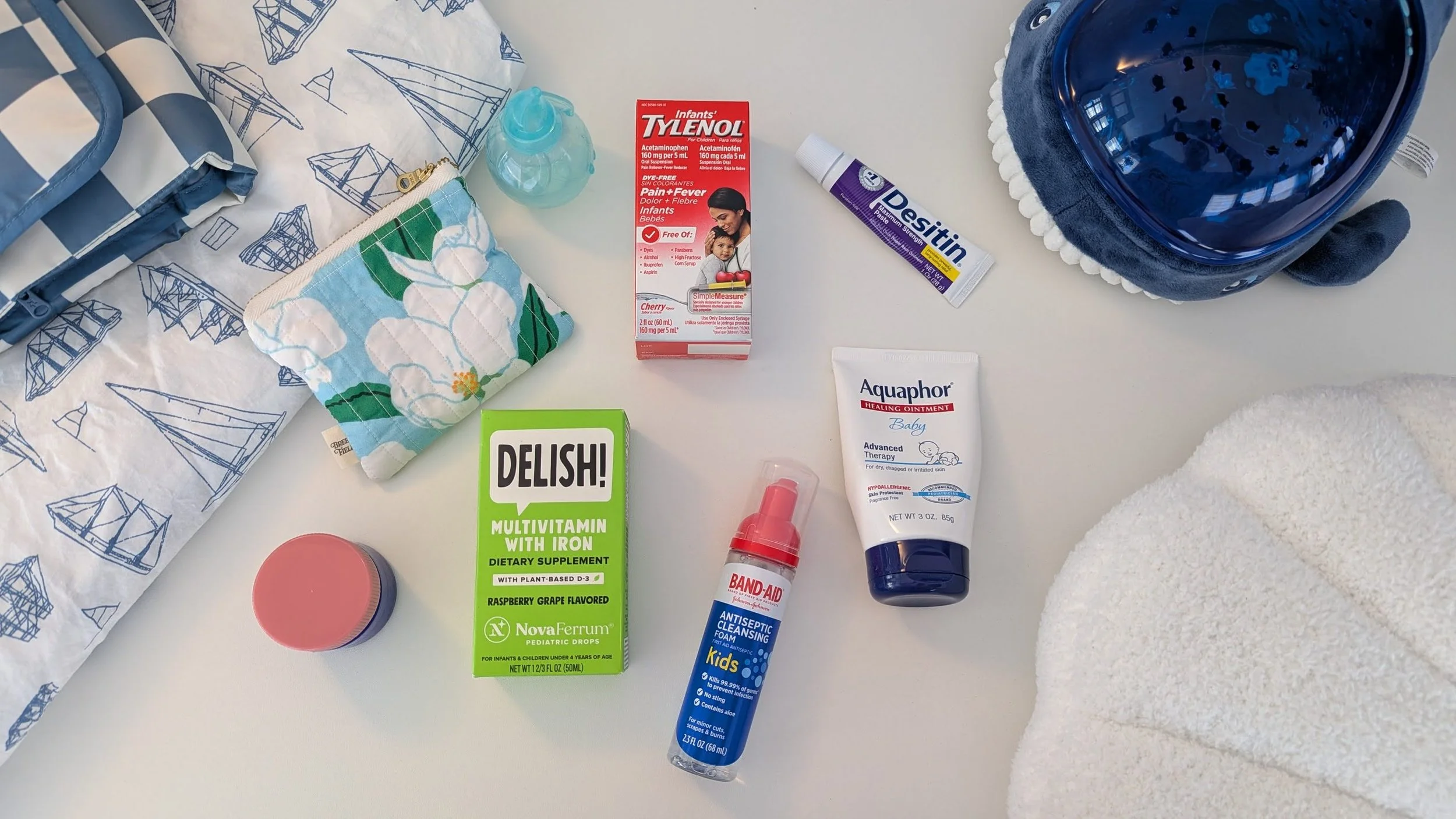
Baby First Aid Kit Essentials
If you want a simple list, here’s what you really need:
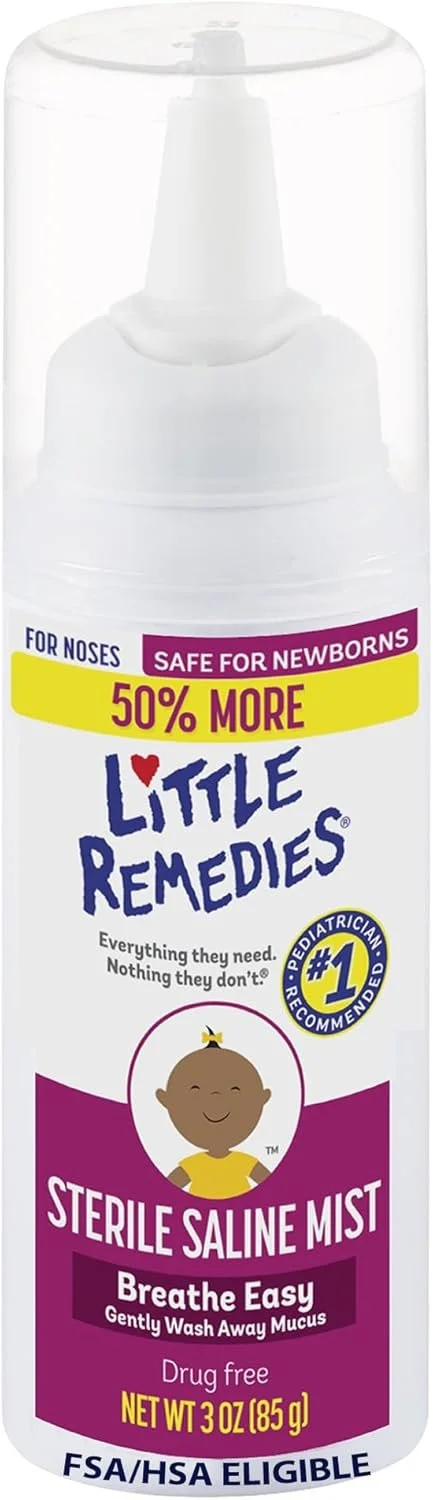
Saline nasal spray
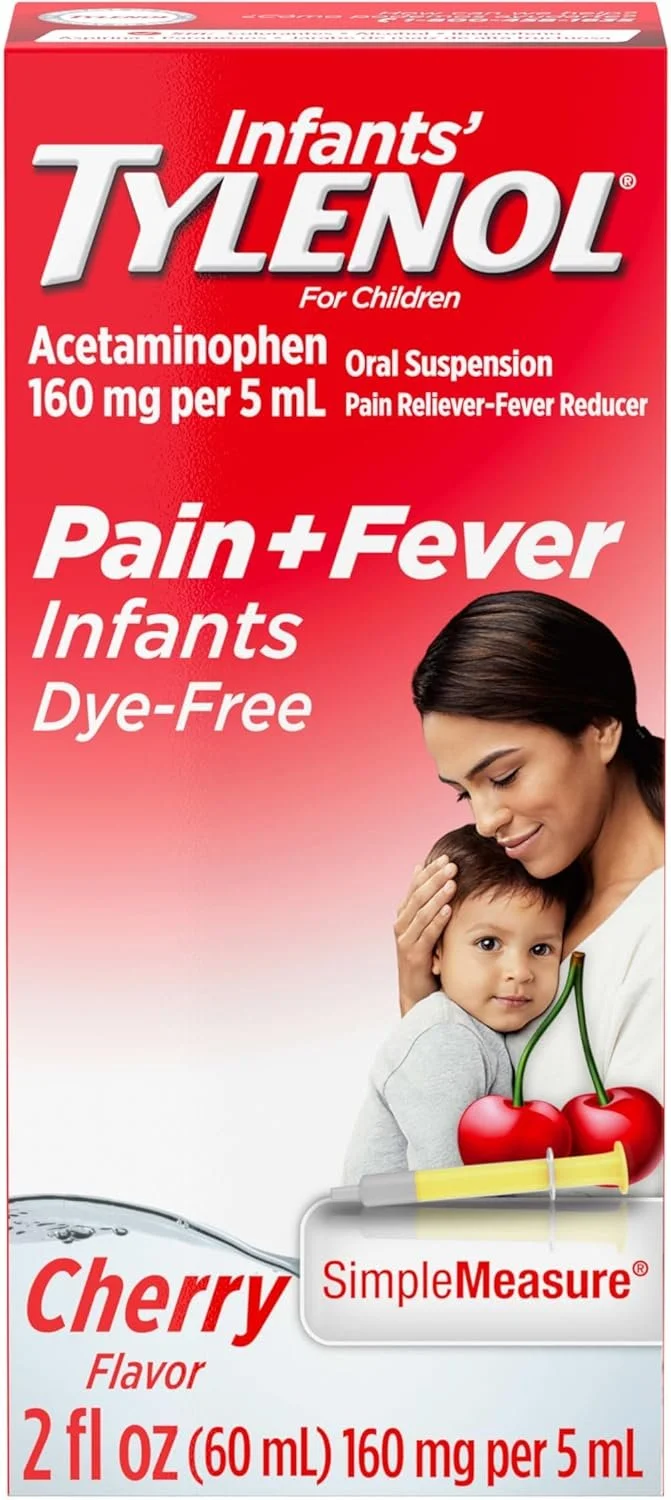
Infant Tylenol
Digital thermometer (rectal for babies)
Nasal aspirator
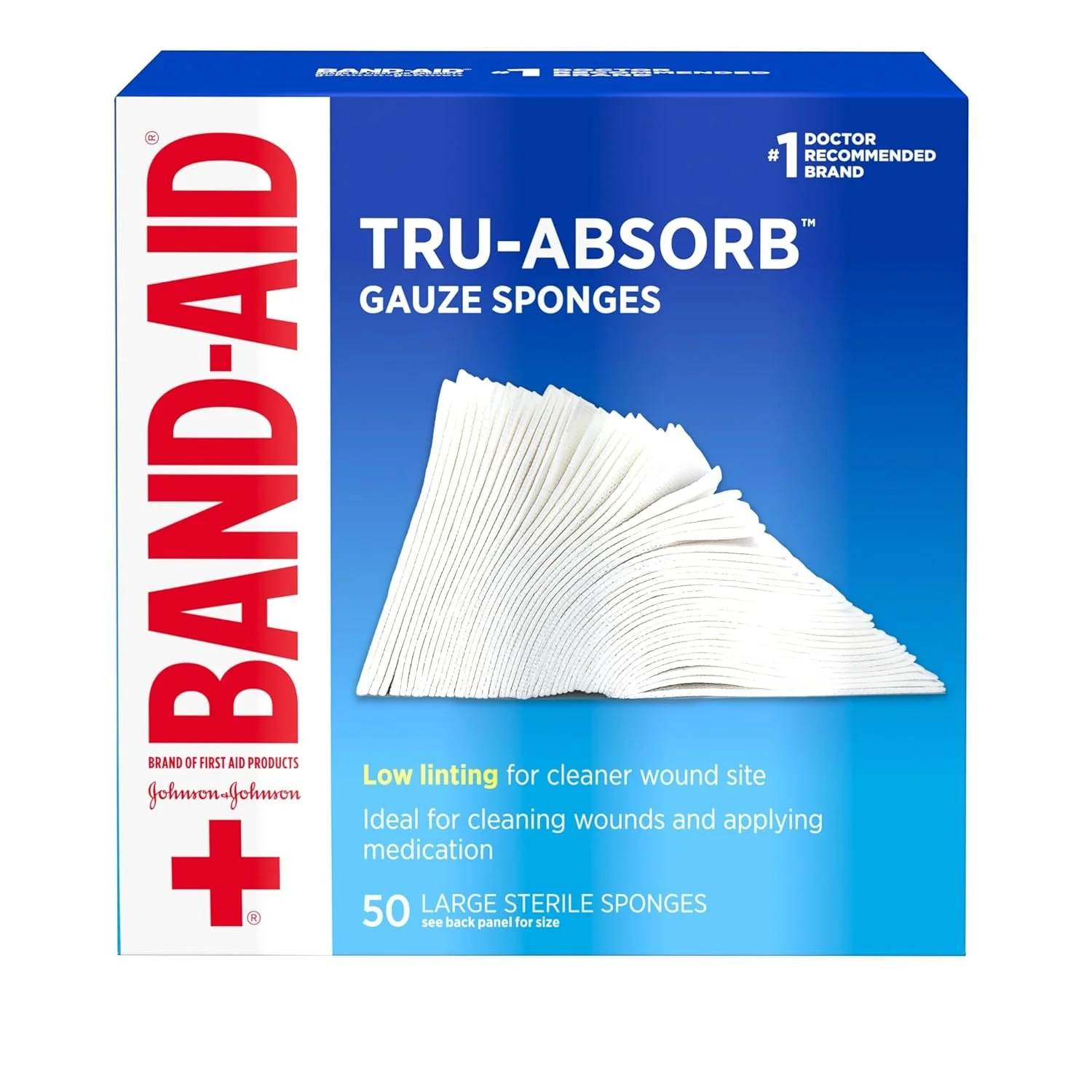
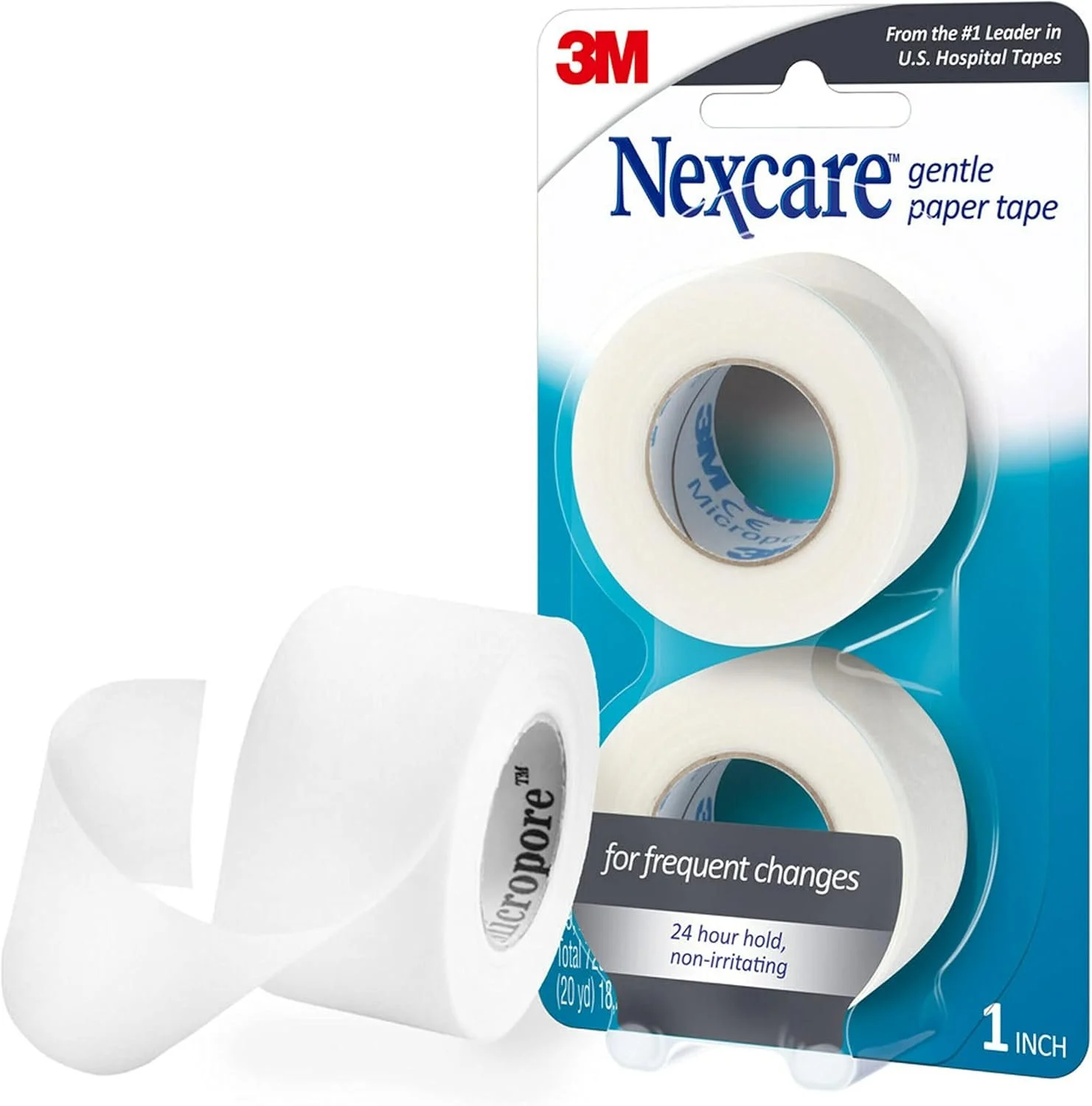
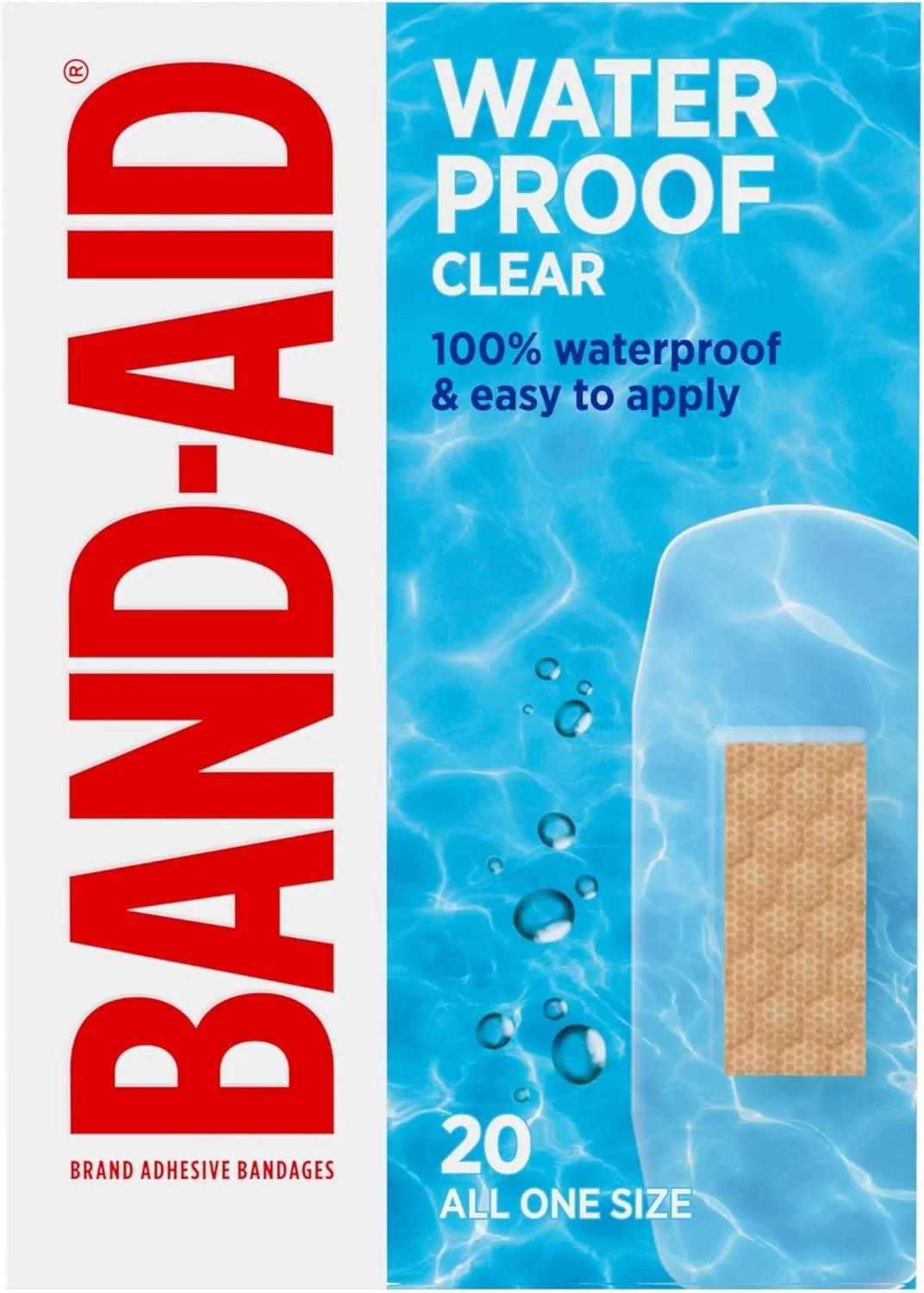
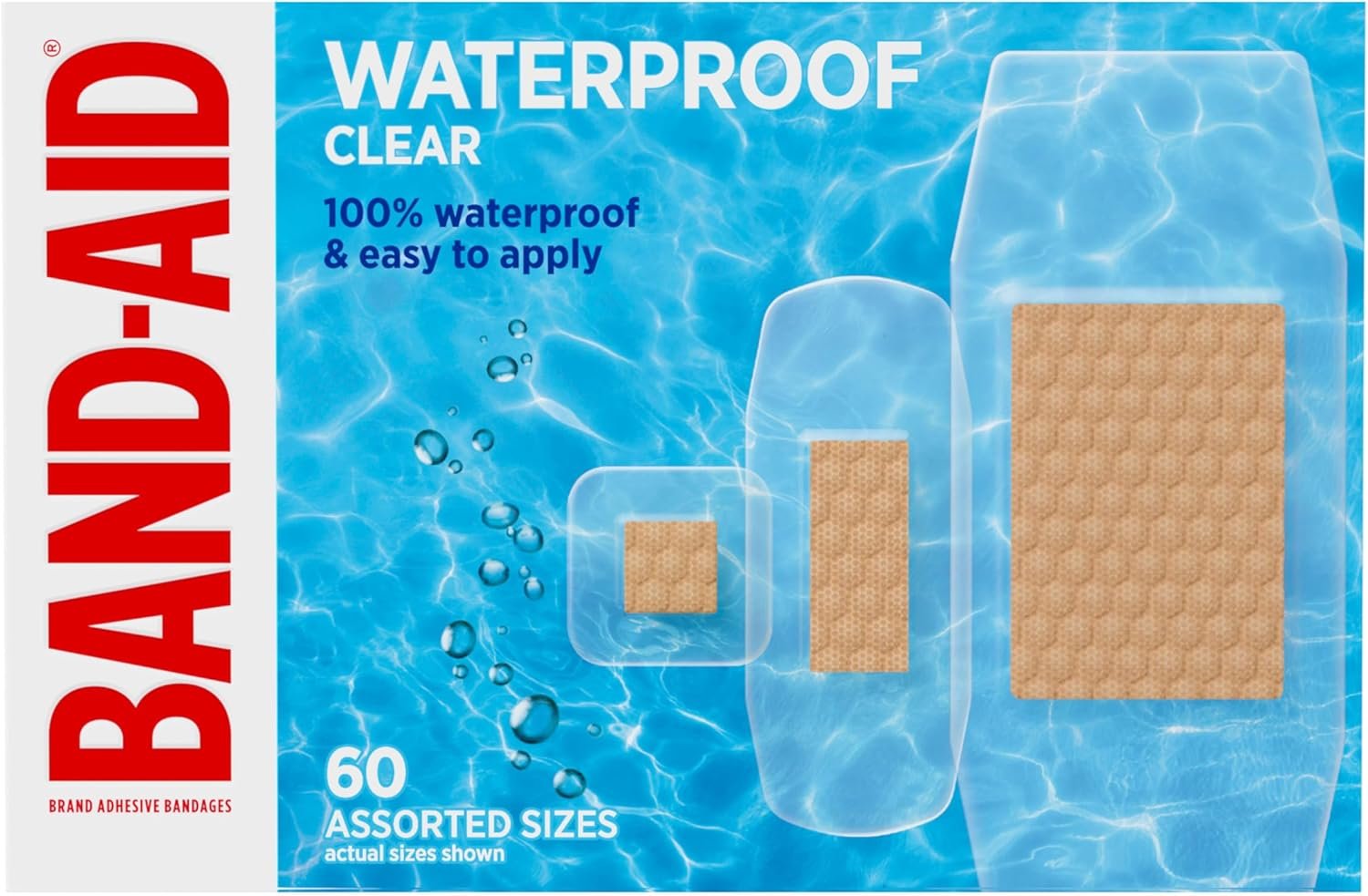
Gauze + tape + bandages
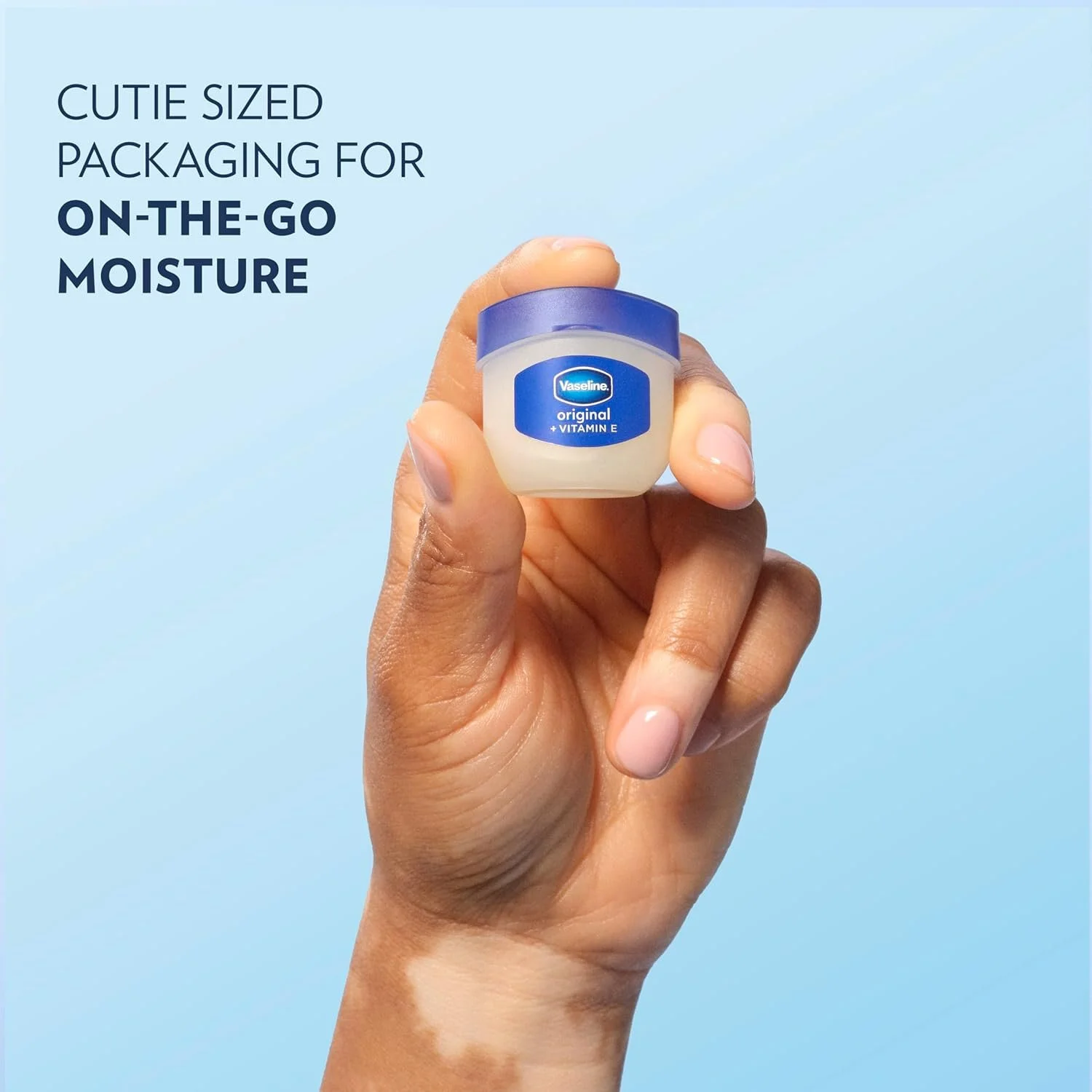
Aquaphor or/and Vaseline
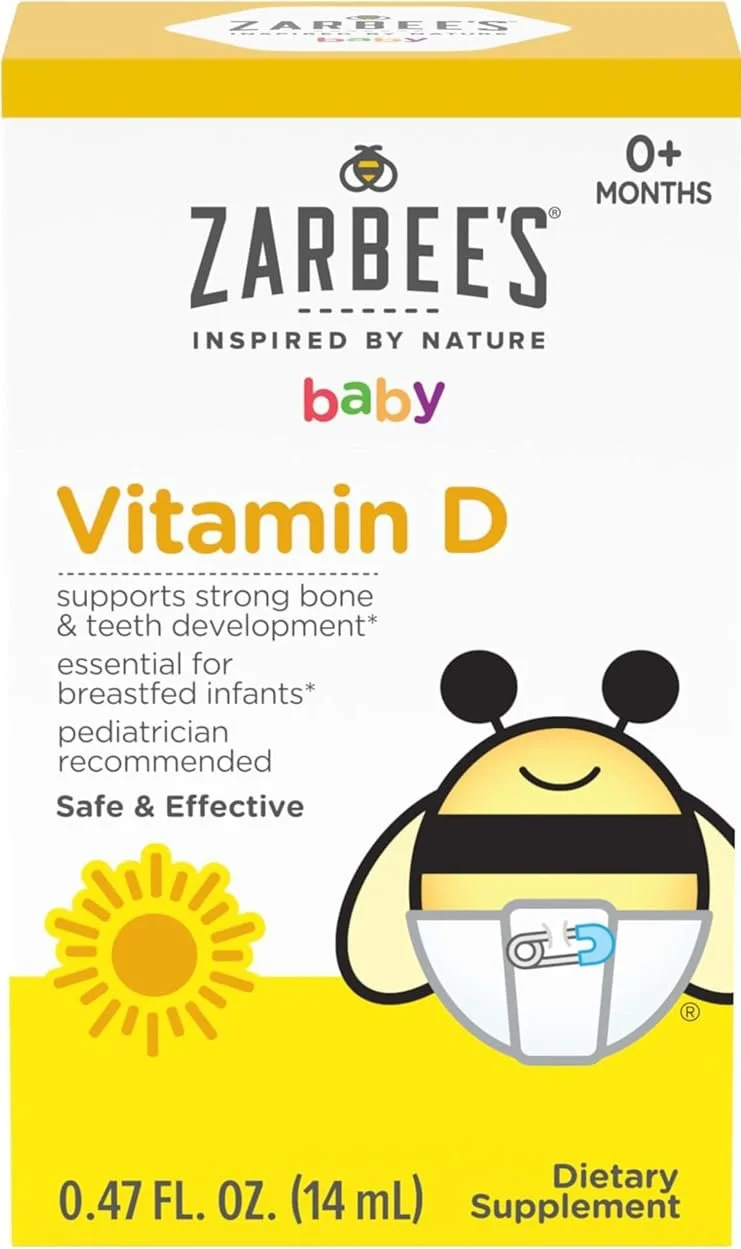
Vitamin D drops
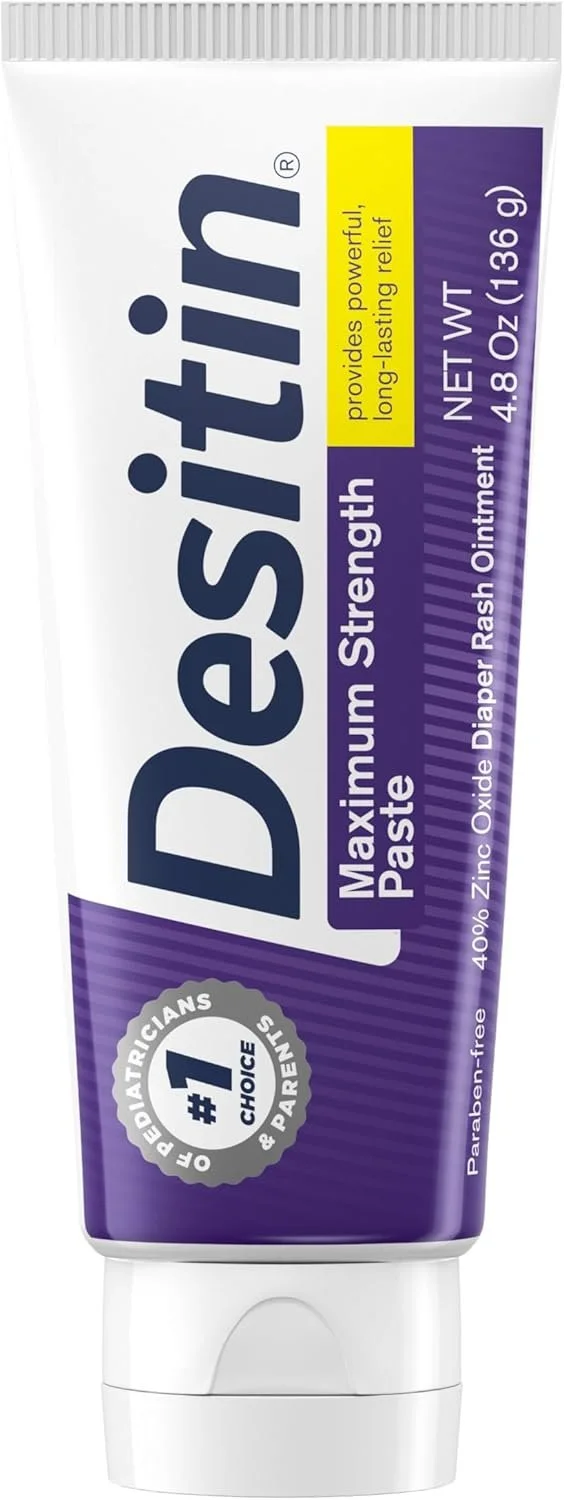
Diaper rash cream
Everything else is helpful—but these are the core basics.
Easy to grab
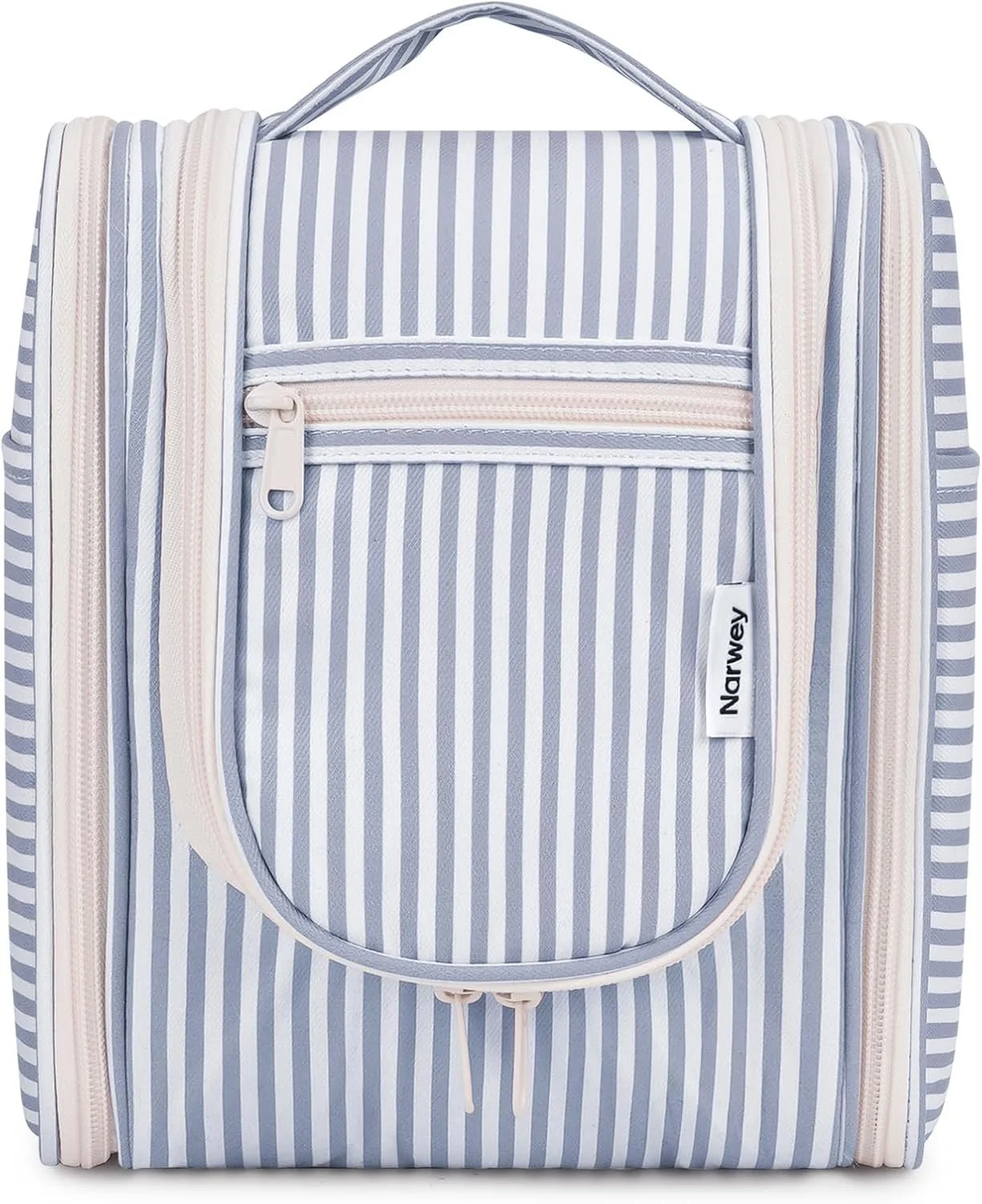
I wanted something cute and organized, like a regular first aid kit. So I made a selection to work and be cute at same time. Having the right items easy to grab, especially at night, can make life postpartum easy. Your brain can be foggy, and you are tired to take decisions. So try to make it simple and be prepare.
Stuffy Nose in Babies
Recently, we dealt with a stuffy nose during pollen season (spring), and I was not prepared. At first, it was a struggle, but what worked was building it into our routine.
What helped:
Saline spray before naps and bedtime
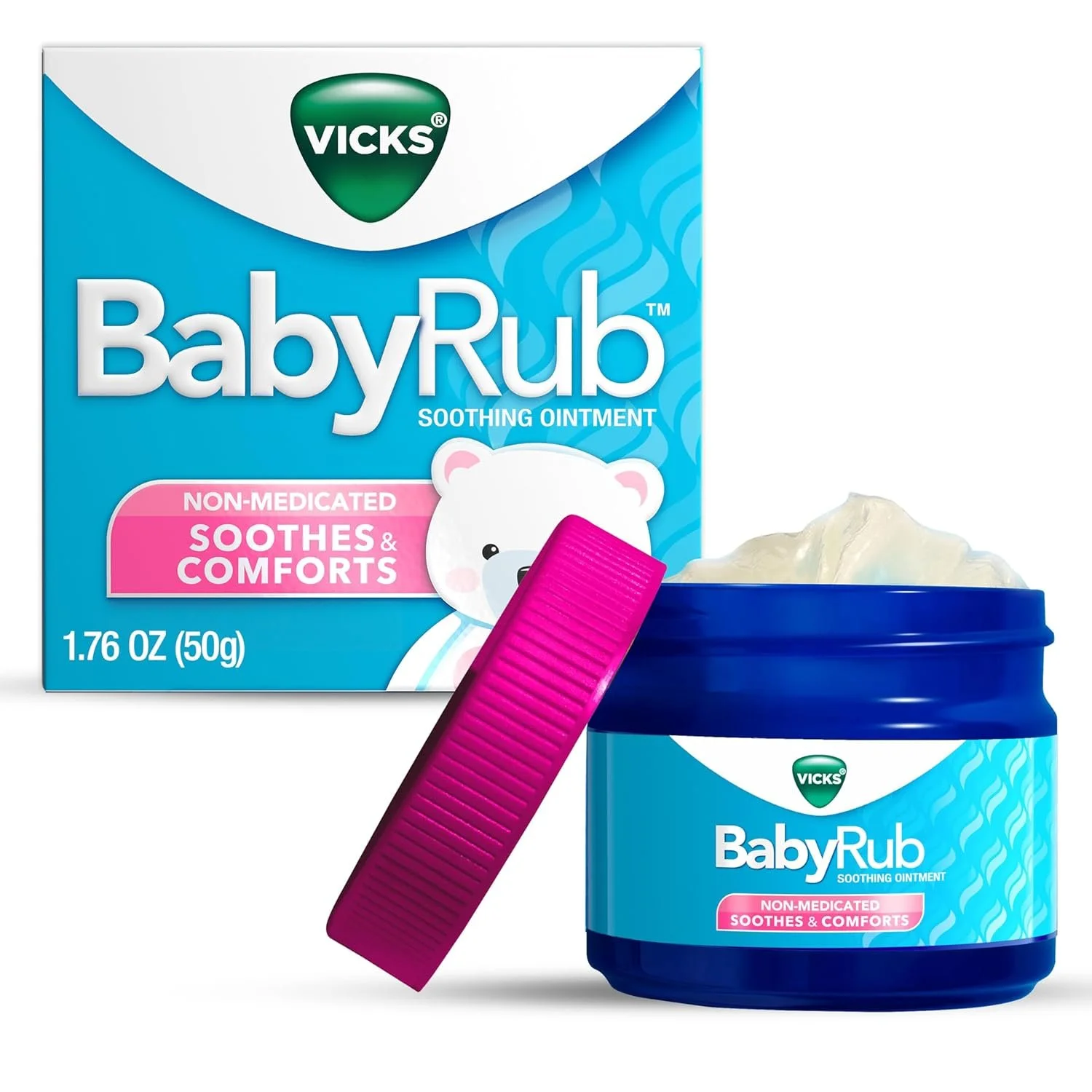
Adding a baby rub at night
Running a humidifier + air purifier
But honestly, the saline spray made the biggest difference. After a week my baby got used to apply, and now it’s no longer a fight. I lay my baby on the change station, apply the saline spray on me and then try on my boy, if he resist I push back and make a silly noise and try again. It’s not an efficient method but after some times doing that my baby is way more easy to deal. You will lean how to deal with your baby, don’t worry, breath in and out, everything will work eventually.
Small Cuts & Skin Care
For small cuts, you don’t need anything complicated:
Wash with soap and water
Apply Aquaphor or Vaseline
Cover with gauze or a bandage
Simple and effective.
Fever, Teething & Colds
There really isn’t much more required in most cases. Use the guidelines for fever, and call your pediatrician.
We use Infant Tylenol for teething
For colds, the combination of:
saline spray
nasal aspirator
if need take the temperature use the aquaphor to lubricate the rectal thermometer
Tylenol (if needed)
Here some more information about Tylenol, at your first pediatric visit they will give you a dosage chart, it’s by weight.
Vitamins for Babies (Our Routine)
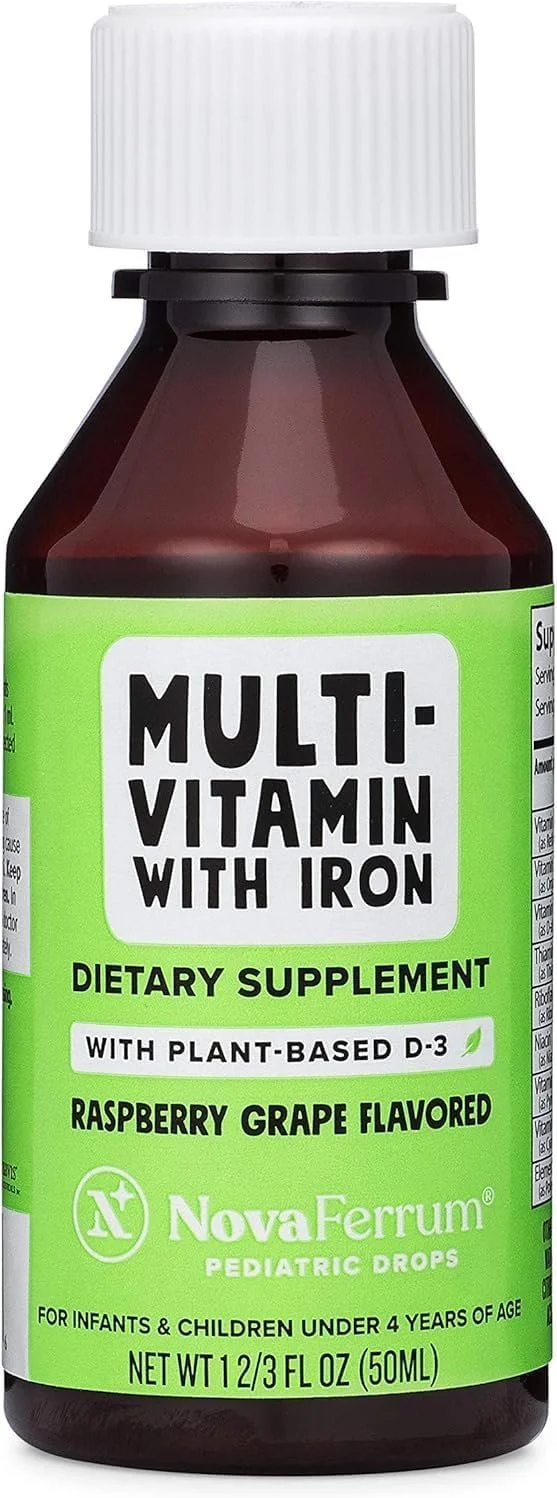
Since birth, our pediatrician recommended vitamin D. This one it’s easy to use and can be mixed with milk. Around 4 months (because I’m breastfeeding), we added a multivitamin with iron, recommended by my pediatrician. I’ll be honest this part was hard. We tried different brands, and the only one that worked for us was NovaFerrum Yum.
What helped:
Make a funny noise and open your mouth for the baby repeat.
My husband uses the baby carrier for give the vitamin, baby face him, and with a bib on.
Giving it after the first bottle of the day. We tested give before but our son did’t drink the milk at all, you migh need to test for your little when to give.
Making it part of the routine
Tip
Giving anything to a baby can be challenging.
What worked for us:
Same routine every day
Making it playful (lots of silly noises)
If is not working change the order and keep the time
keep things in the same place, easy to grab
display the information where you can easily see and close to the designate place
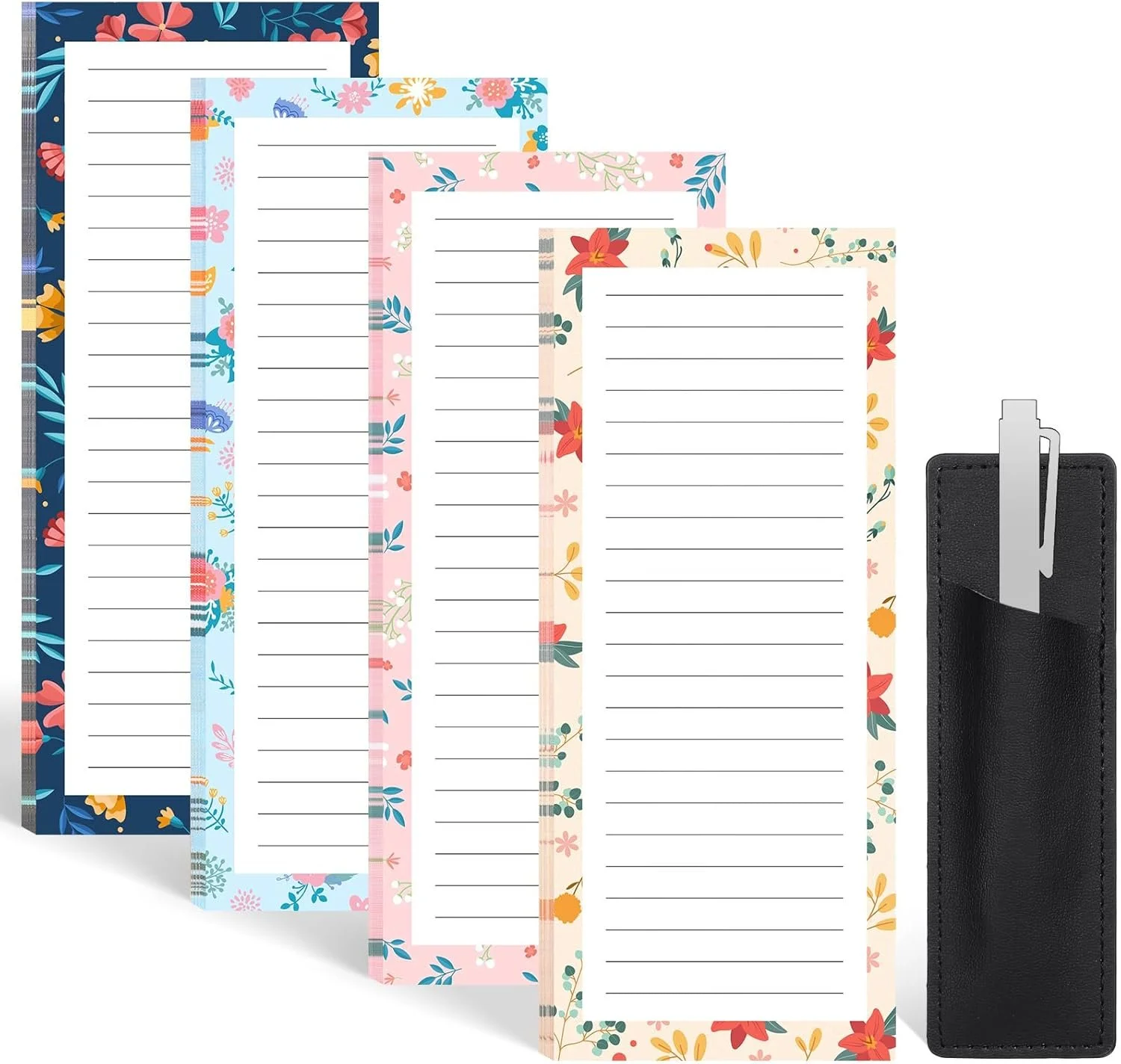
keep track of your baby feeding, medication, vitamin, pees, and poos. This can calm you when you think something is wrong and can help your pediatrician understand how your baby is going. This was one of the most request that my nurses and doctors asked during the newborn stage.
What to Put in Your Baby First Aid Kit
Hi there! This images bellow contains affiliate links for Amazon. Shopping through them is a simple way to support our work, thank you.
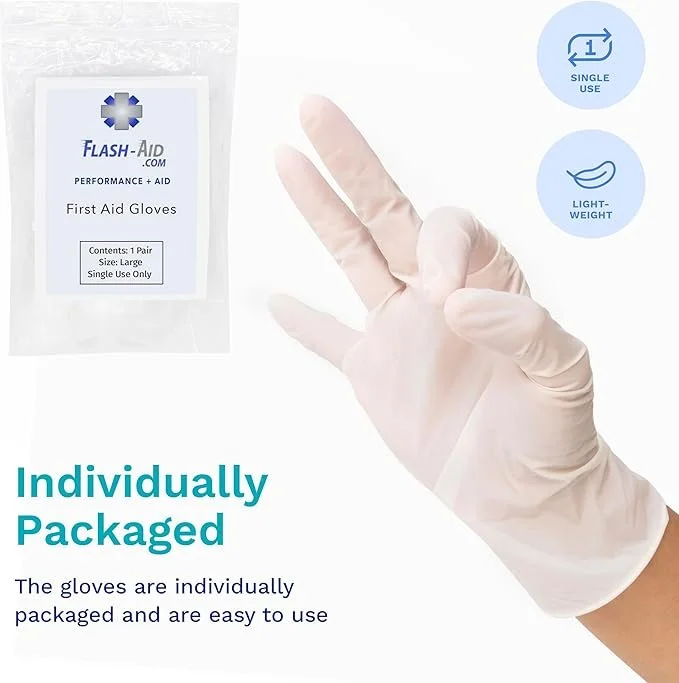
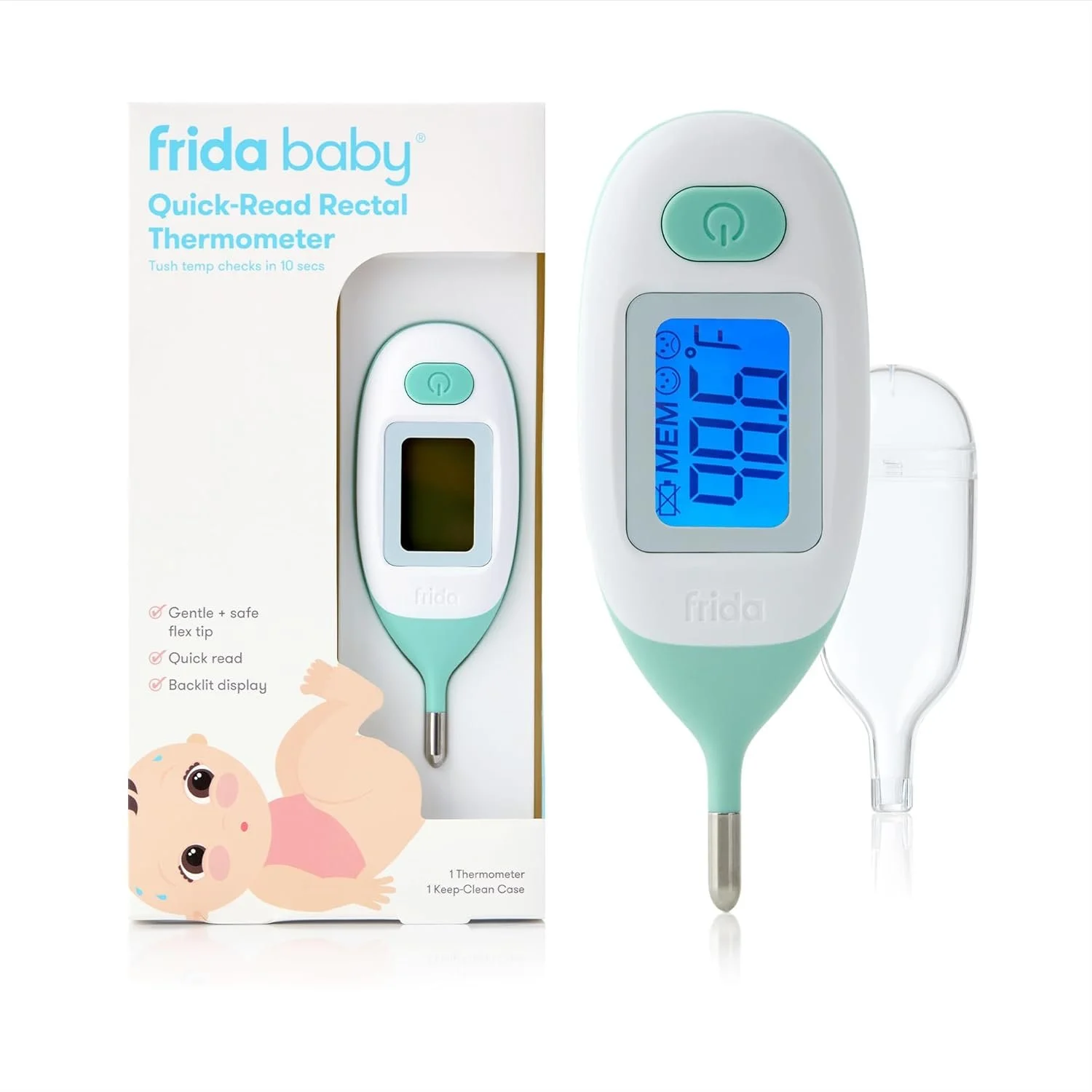
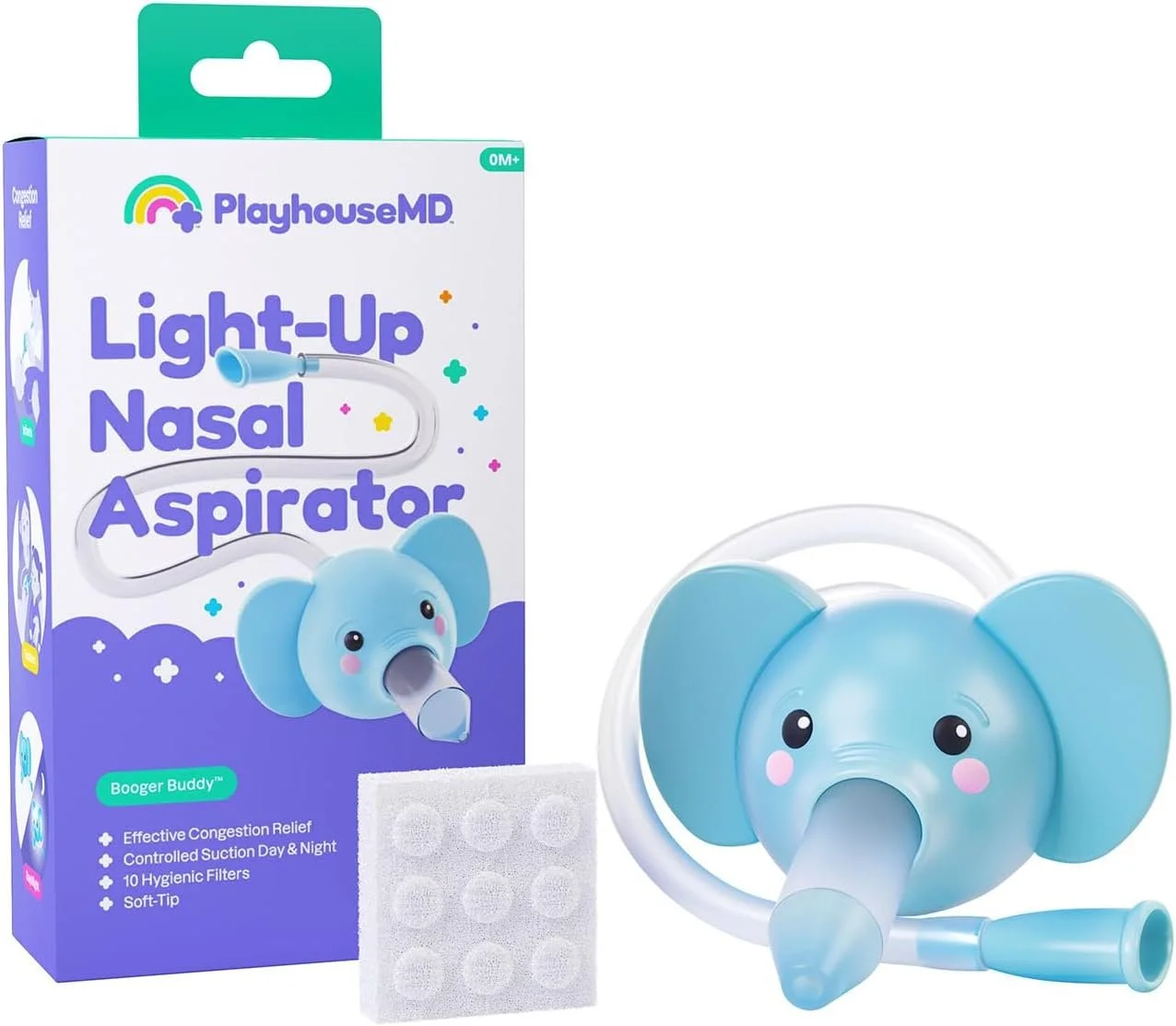
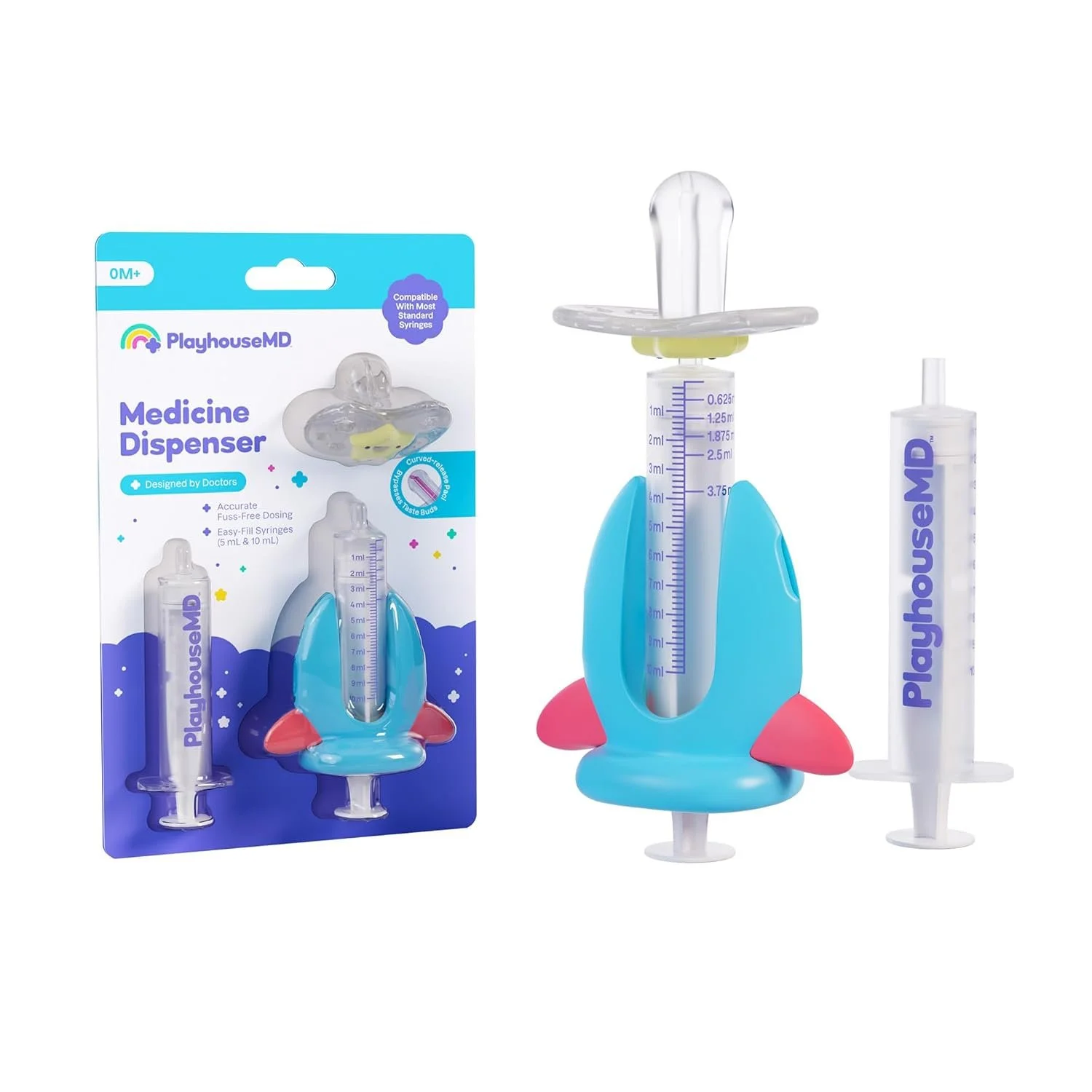

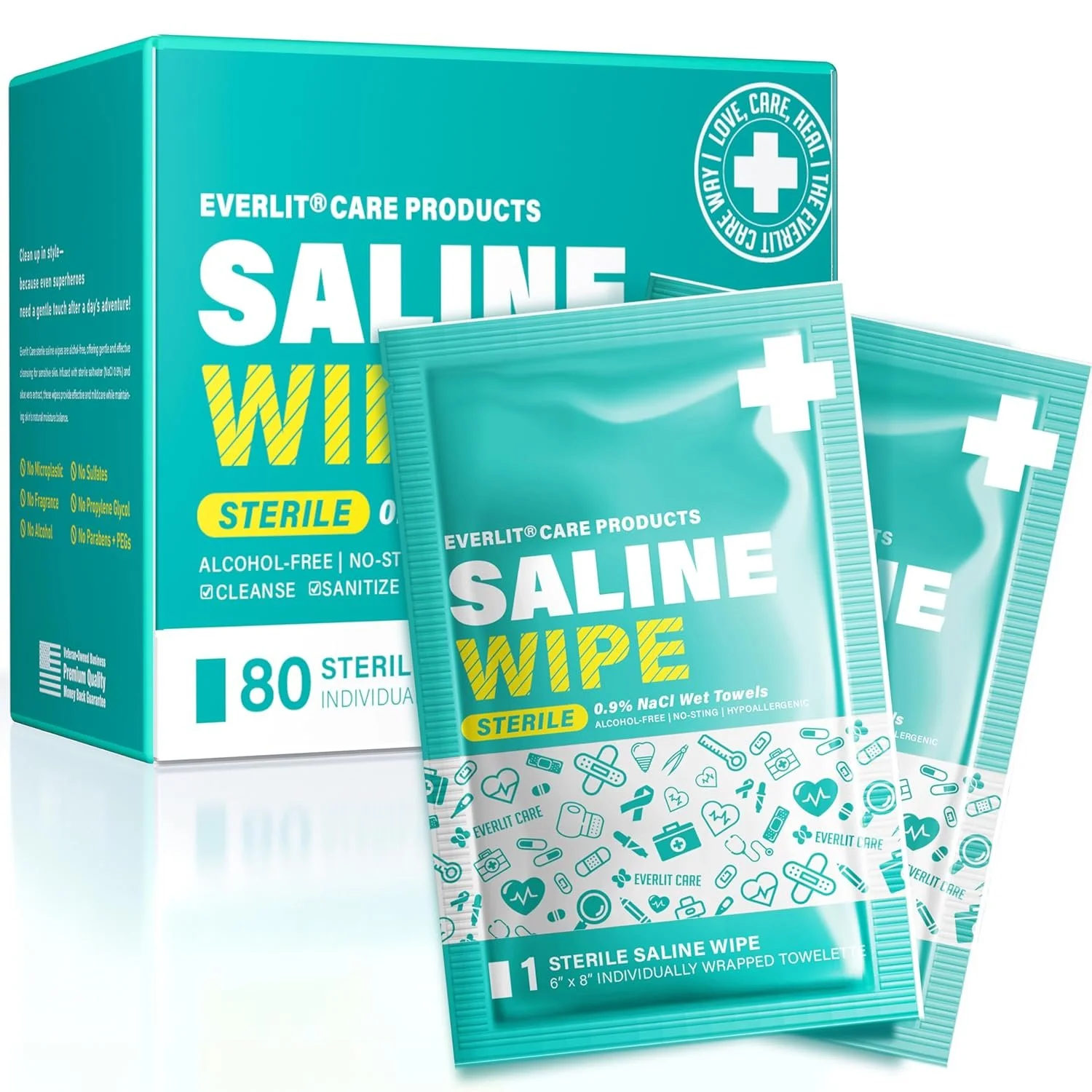
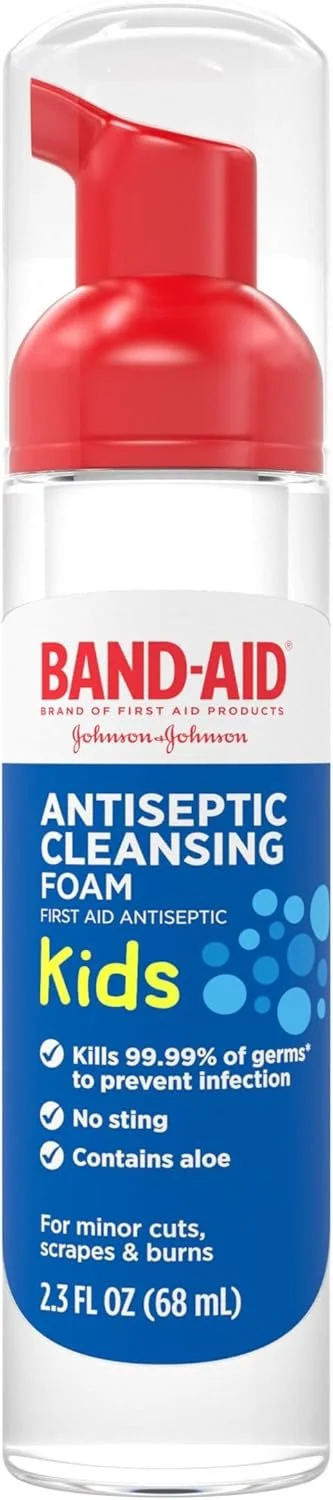
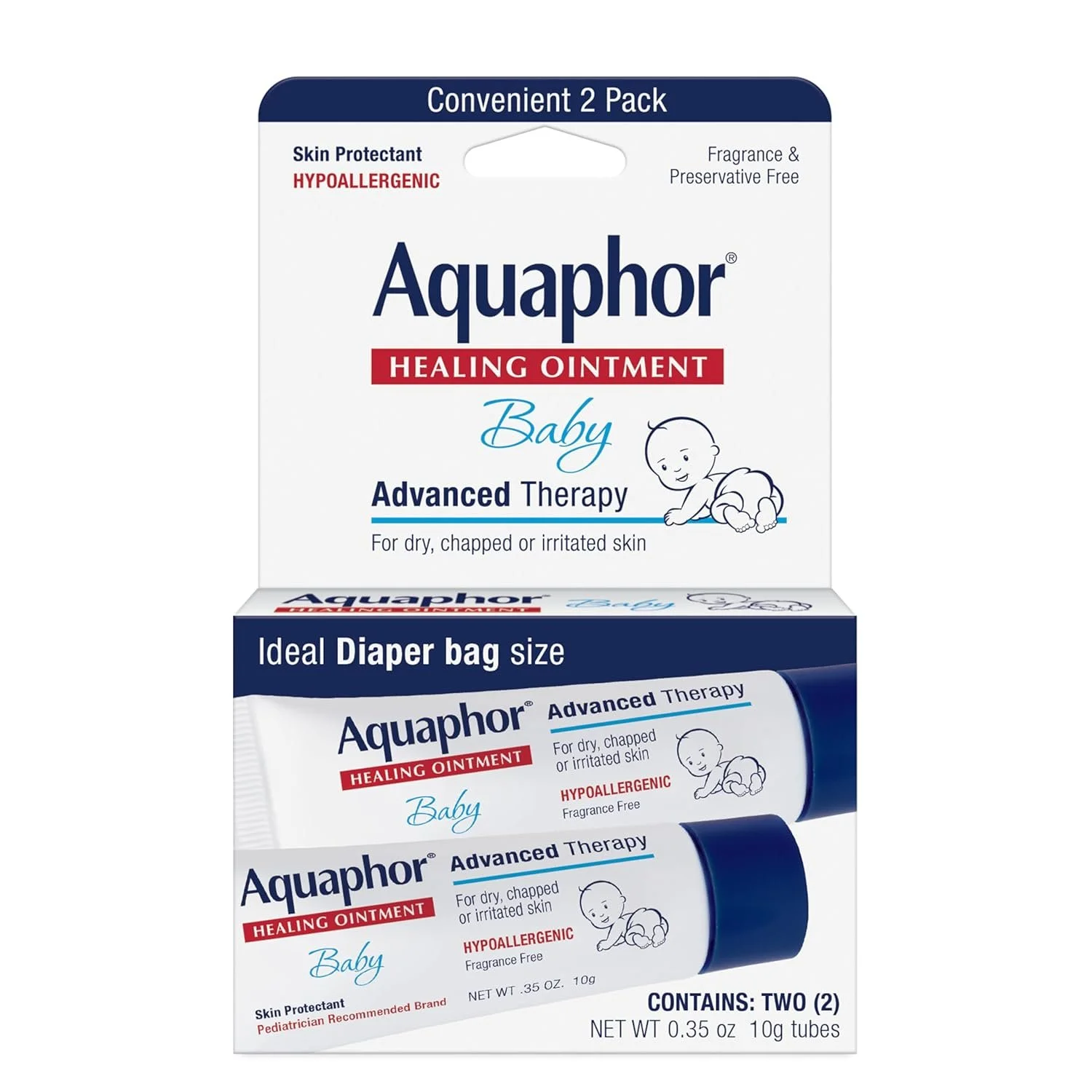
Tools
Disposable gloves
Rectal thermometer (with ointment like Aquaphor)
Nasal aspirator
Liquid syringe
Kids ice pack
bag for place everything
To Clean
Saline wipes
Antiseptic foam
To Heal
Aquaphor or Vaseline
Infant Tylenol
Saline nasal spray
Baby rub (optional)
Diaper rash cream
Multivitamin with iron
Vitamin D drops
To Cover
Gauze
Paper tape
Waterproof bandages
Final Thoughts
You don’t need a perfect, aesthetic kit. You just need the right essentials, in one place, ready when you need them. If I could go back, I would skip the “perfect kit” idea, and just build a simple, practical one from the start.
Take notes of the information is important, exist apps for that, however sometimes comes with subscriptions, and we don’t find one who synchronize the infos. So I adopted the note pad for fridge and this work. A tone of products for babies are very unnecessary and don’t help much. Kipped simple.
This kit can be very useful for going on trips. All products suggest are small sizes or individual wrapping.
